What Is an Injury Scale Value? How It Affects Car Accident Compensation in South Australia
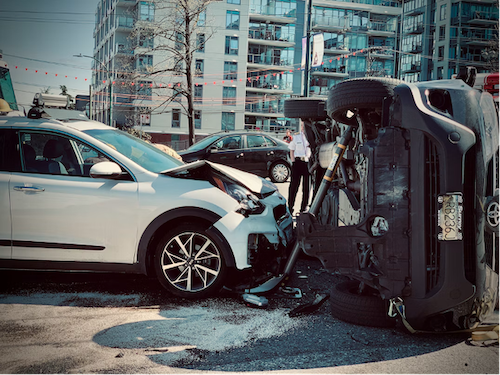
Your ISV can open the door to compensation for pain and suffering, or quietly close it. Understanding how it works before your assessment really matters. Here's what the ISV is, how it's assessed, and why it carries so much weight.
What Is an Injury Scale Value (ISV) in South Australia?
The Injury Scale Value is a score from 0 to 100 that measures how serious an injury is. It comes from South Australia's Civil Liability Regulations 2013 and Civil Liability Act 1936, which list injuries to every part of the body.Each injury has its own set range on that scale. A minor soft tissue injury sits near the bottom, while severe brain or spinal injuries sit near the top. Your final ISV reflects where your injuries land within those ranges.
How Is Your ISV Assessed After a Car Accident?
Your ISV is usually assessed once you are in stable condition, meaning your injuries are no longer expected to change much. According to the CTP Regulator, an Accredited Medical Practitioner under the Motor Accident Injury Accreditation Scheme carries out the assessment.Either you or the insurer can request the assessment, and the insurer covers the cost. The insurer can decline your request if your ISV is likely to be below 8. Once the assessment is done, it must give you a copy of the report within 21 days.
ISV Thresholds That Decide What You Can Claim
Your ISV works like a gatekeeper for certain types of compensation. Here's how the main thresholds work, based on the Law Handbook SA:- Pain and suffering: Non-economic loss is generally only payable when your ISV is above 10. For accidents in the 2026-27 financial year, an ISV of 20 is worth $17,280, according to the CTP Regulator's damages table.
- Loss of future earning capacity: This usually requires an ISV above 7.
- Care from family and friends: Gratuitous services need an ISV above 10, plus at least 6 hours of care a week for at least 6 months.
- Costs with no ISV threshold: You can still claim past lost income, medical and treatment expenses, and future care regardless of your score.
There's also a narrow exception for scores of 10 or below. A court may still award pain and suffering damages if the effects of an injury are exceptional compared with similar injuries.
Why Legal Advice Matters Before an ISV Assessment
Since so much depends on one score, preparation before the assessment can make a real difference. Every injury needs to be clearly recorded in your medical history. An injury the assessor never sees can't add to your ISV.An experienced motor vehicle accident lawyer can review your medical evidence before the assessment to make sure nothing is missed. They will then explain your options if the score seems too low. Mahony's Lawyers, for example, has helped South Australians with compensation claims since 1978, supporting injured people through medical assessments and insurer negotiations.
It also helps to understand how legal costs work. According to the CTP Regulator, if your compensation is more than $25,000, you can recover part of your legal fees when the claim settles.
Endnote
The Injury Scale Value may only be a number, but it plays a big part in what a car accident claim in South Australia is worth. Understanding how it's assessed and which thresholds apply can help you approach your claim with more confidence and fewer surprises.Do You Need An Attorney?
If so, post a short summary of your legal needs to our site and let attorneys submit applications to fulfill those needs. No time wasted, no hassle, no confusion, no cost.
Posted - 11/13/2026
Connect with us:
Learn about us: